

Discover Current Specialty Coffee Standards: Comprehensive Guide to Grading, Cupping, Certification, and Quality Control
The specialty coffee industry is defined by its commitment to quality, which is upheld through rigorous standards and practices. This comprehensive guide delves into the current specialty coffee standards, focusing on grading, cupping, certification, and quality control. Readers will learn how these standards shape the perception of coffee quality and the processes involved in maintaining them. As consumers become more discerning, understanding these standards is crucial for both coffee enthusiasts and industry professionals. This article will explore the intricacies of coffee grading standards, the cupping process, certification programs, quality control protocols, and the latest trends impacting the specialty coffee landscape.
What Are Specialty Coffee Grading Standards and How Do They Define Quality?
Specialty coffee grading standards are essential benchmarks that determine the quality of coffee beans based on specific criteria. These standards help in assessing the overall quality and market value of coffee, ensuring that only the best beans reach consumers. The grading process involves evaluating various attributes, including flavor, aroma, acidity, and body, which collectively define the coffee’s quality. Understanding these standards is vital for producers and consumers alike, as they directly influence purchasing decisions and market dynamics.
Understanding Coffee Grading Scales and Criteria

Coffee grading scales vary across different regions and organizations, but they generally follow a similar framework. The most recognized scale is the 100-point system used by the Specialty Coffee Association (SCA), where coffees scoring 80 points or above are classified as specialty. Key criteria include:
- Flavor: The overall taste profile, including sweetness, acidity, and aftertaste.
- Aroma: The fragrance of the coffee, which can indicate freshness and quality.
- Acidity: The brightness or liveliness of the coffee, contributing to its complexity.
- Body: The weight or thickness of the coffee on the palate.
These criteria help in distinguishing high-quality coffee from lower grades, guiding consumers in their choices.
How Coffee Quality Is Measured Through Sensory Attributes
Sensory attributes play a crucial role in measuring coffee quality. Evaluators use a systematic approach to assess these attributes during cupping sessions. The primary sensory attributes include:
- Sweetness: A desirable characteristic that enhances the overall flavor.
- Bitterness: While some bitterness can be pleasant, excessive bitterness is often a sign of poor quality.
- Balance: The harmony between acidity, sweetness, and bitterness, contributing to a well-rounded flavor profile.
By understanding these sensory attributes, producers can refine their processes to enhance coffee quality, ultimately benefiting consumers.
How Are Coffee Cupping Procedures Conducted to Evaluate Flavor Profiles?
Coffee cupping is a standardized method used to evaluate the flavor profiles of coffee. This process allows professionals to assess the quality and characteristics of different coffee beans systematically. Cupping is essential for quality control and helps in identifying the unique flavors that each coffee variety offers.
Step-by-Step Coffee Cupping Protocols for Accurate Sensory Evaluation
The cupping process involves several key steps to ensure accurate sensory evaluation:
- Preparation: Coffee beans are ground to a specific coarseness and measured accurately.
- Brewing: Hot water is poured over the grounds, allowing them to steep for a set time.
- Tasting: After steeping, tasters use a spoon to slurp the coffee, allowing it to spread across the palate for a comprehensive evaluation.
This structured approach ensures that tasters can accurately assess the coffee’s flavor and quality.
Tools and Visual Aids Used in Coffee Cupping Sessions
Various tools and visual aids enhance the cupping experience, ensuring consistency and accuracy. Essential tools include:
- Cupping Bowls: Standardized bowls that hold the coffee during evaluation.
- Spoons: Used for tasting and evaluating the coffee.
- Timers: To ensure precise brewing times.
These tools help maintain the integrity of the cupping process, allowing for reliable comparisons between different coffee samples.
What Specialty Coffee Certification Programs Validate Quality Compliance?
Certification programs play a vital role in validating the quality of specialty coffee. These programs ensure that coffee producers adhere to specific standards, promoting transparency and trust within the industry. Certification can significantly impact a coffee’s marketability and consumer perception.
Overview of Leading Certification Bodies and Their Criteria
Several certification bodies are recognized for their rigorous standards in the specialty coffee industry. Key organizations include:
- Specialty Coffee Association (SCA): Focuses on quality and sustainability in coffee production.
- Rainforest Alliance: Emphasizes environmental sustainability and social responsibility.
- Fair Trade: Ensures fair pricing and ethical treatment of producers.
Each organization has its criteria, which often include environmental practices, social equity, and quality assessments.
How to Obtain Specialty Coffee Certification: Process and Benefits
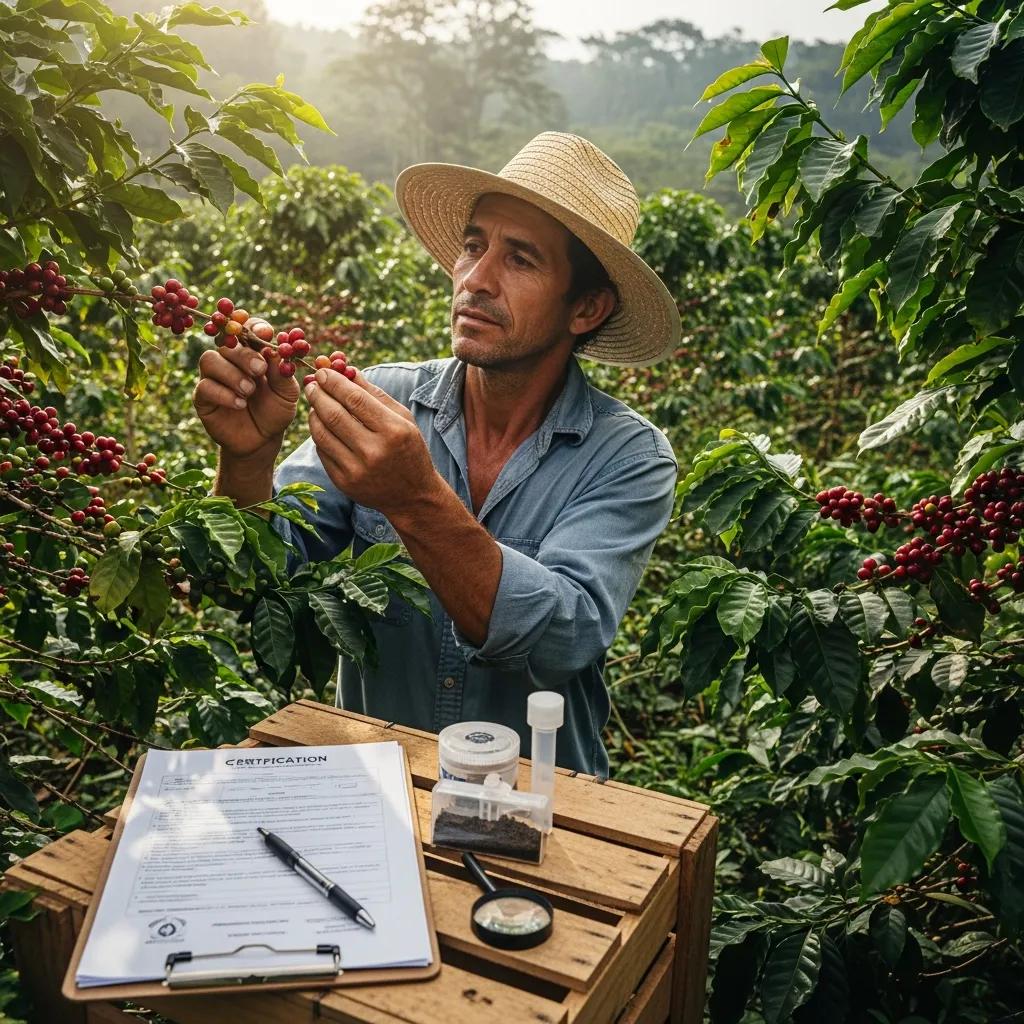
Obtaining specialty coffee certification involves a structured process that typically includes:
- Application: Producers submit an application detailing their practices and processes.
- Assessment: An evaluation is conducted to ensure compliance with the certification standards.
- Certification: Upon successful assessment, producers receive certification, which can enhance their market presence.
The benefits of certification include increased consumer trust, access to premium markets, and potential price premiums for certified products.
Which Coffee Quality Control Protocols Ensure Consistent Industry Benchmarks?
Quality control protocols are essential for maintaining consistent standards in the specialty coffee industry. These protocols help producers ensure that their coffee meets the established quality benchmarks throughout the production process.
Best Practices for Maintaining Coffee Quality Throughout Production
To maintain high coffee quality, producers should implement best practices, including:
- Regular Testing: Conducting frequent quality assessments at various stages of production.
- Training: Providing ongoing training for staff on quality control measures.
- Traceability: Ensuring that all coffee can be traced back to its source, promoting transparency.
These practices help in identifying and addressing quality issues promptly, ensuring that only the best coffee reaches consumers.
Implementing Quality Assurance Methods in Specialty Coffee Businesses
Quality assurance methods are critical for specialty coffee businesses to uphold their reputation. Effective strategies include:
- Standard Operating Procedures (SOPs): Establishing clear guidelines for every aspect of production.
- Feedback Loops: Creating systems for receiving and acting on customer feedback regarding quality.
- Continuous Improvement: Regularly reviewing and updating quality control processes to adapt to new challenges.
Implementing these methods fosters a culture of quality within the organization, ultimately benefiting consumers.
What Are the Latest Industry Trends and Statistics Impacting Specialty Coffee Standards?
The specialty coffee industry is continually evolving, influenced by emerging trends and consumer preferences. Staying informed about these trends is crucial for producers and consumers alike.
Global Adoption of Coffee Quality Metrics and Certification Growth
Recent statistics indicate a significant increase in the adoption of coffee quality metrics and certification programs worldwide. This growth reflects a rising consumer demand for transparency and quality assurance in coffee sourcing. As more producers seek certification, the overall quality of specialty coffee is expected to improve, benefiting the entire industry.
Market Insights and Case Studies on Specialty Coffee Quality Improvements
Case studies highlight successful initiatives aimed at improving coffee quality through innovative practices. For instance, producers who have adopted sustainable farming methods report higher quality beans and increased market demand. These insights demonstrate the positive impact of quality-focused practices on both producers and consumers, reinforcing the importance of adhering to specialty coffee standards.
| Certification Body | Criteria | Impact |
|---|---|---|
| SCA | Quality assessment, sustainability | High market value |
| Rainforest Alliance | Environmental practices, social equity | Enhanced consumer trust |
| Fair Trade | Fair pricing, ethical treatment | Increased sales potential |
This table illustrates how different certification bodies contribute to the overall quality and marketability of specialty coffee, emphasizing the importance of adhering to established standards.